

Blog
Am I a Good Candidate for SoftWave Therapy in Port St. Lucie?

Wondering If SoftWave Therapy Is Right for You in Port St. Lucie?
If you have been living with nagging pain that will not quit, you have probably weighed a long list of options: more medication, another round of injections, or even surgery you would rather avoid. Before you commit to any of those, it is worth asking a simple question. Are you a good candidate for SoftWave therapy here in Port St. Lucie? The honest answer is that many people are, but not everyone, and the best way to find out is to understand who tends to benefit most.
At Disc Center of America Port St. Lucie, Dr. John Grassam works with patients who want to address the source of their pain rather than mask it. SoftWave Tissue Regeneration Technology (TRT) is a non-invasive option that uses broad-focused acoustic waves to encourage the body's own healing response. This article walks through the kinds of situations SoftWave is designed for, the situations where a different or additional evaluation makes more sense, and how to know whether a consultation is your next best step.
What SoftWave Therapy Actually Does
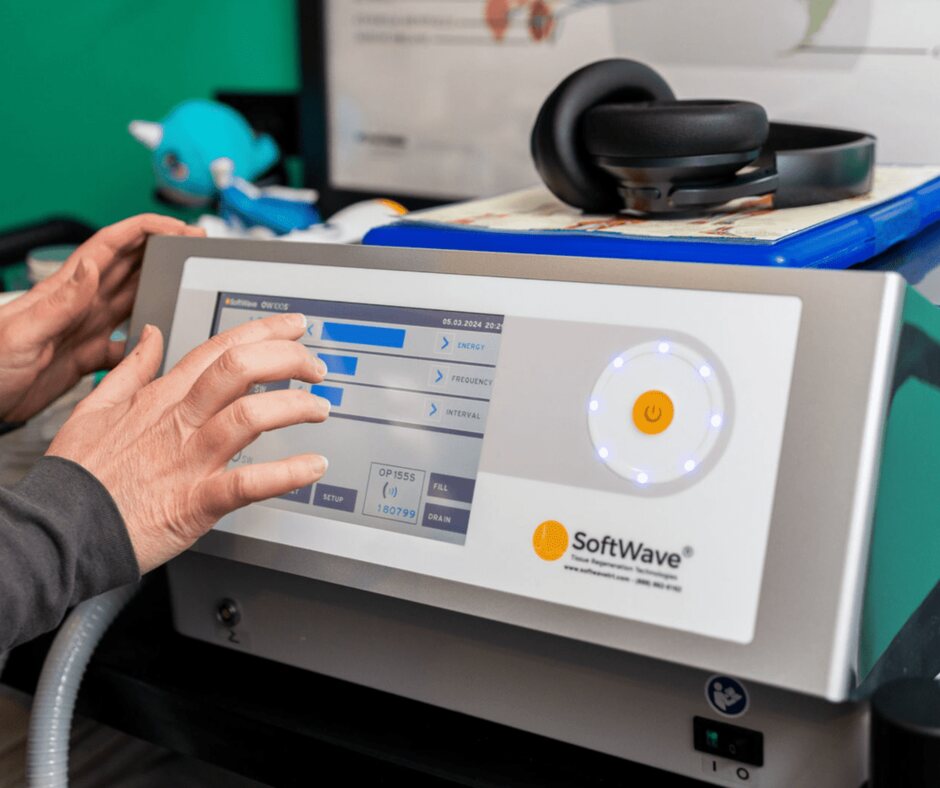
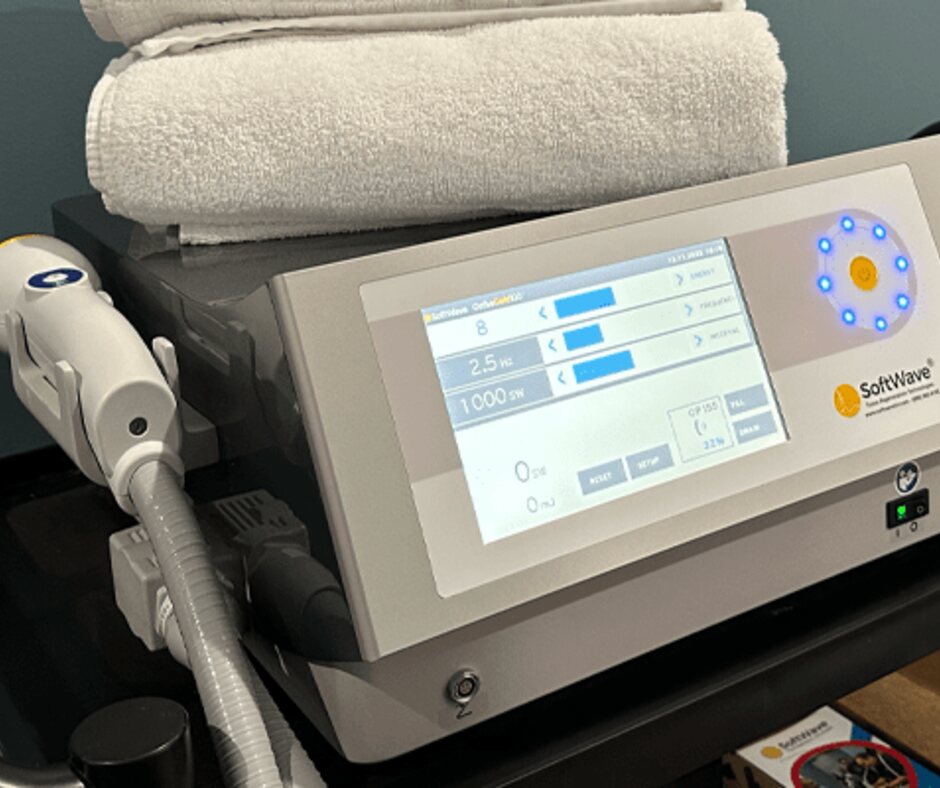
SoftWave TRT is a form of shockwave therapy, but it stands apart from the radial, electromagnetic, and piezoelectric devices you may have heard about. It generates broad-focused acoustic waves through a patented parabolic reflector, which allows the energy to spread across a wider area and penetrate deep into tissue. The goal is not to force a quick numbing effect. Instead, the waves are designed to trigger the body's natural repair cascade at the cellular level.
Because the treatment works with your biology rather than around it, it appeals to people who would rather not rely on drugs or invasive procedures. Sessions are short, typically around ten to fifteen minutes, and there is no downtime afterward. That combination makes it a practical fit for busy Port St. Lucie residents who cannot pause their lives for a lengthy recovery.
How SoftWave Helps the Body Repair
The science behind SoftWave is easier to understand when you break it into plain language. The acoustic waves are designed to prompt several helpful responses in the treated area:
- Stem cell activation: resident stem cells already in your tissue are stimulated and encouraged to migrate toward the area that needs attention.
- New blood vessel formation: through signals such as VEGF and eNOS, the treatment supports angiogenesis, which is the growth of new blood vessels and a temporary increase in blood flow.
- Cell proliferation and collagen support: factors like PCNA and BMP are involved in helping cells multiply and rebuild connective tissue.
- Inflammation modulation: the waves help regulate the inflammatory process rather than simply shutting it off.
- Cellular cleanup: the therapy is associated with clearing out aged, worn-out cells so healthier activity can take their place.
None of this happens instantly. Many patients notice changes over a series of sessions, and the repair process can continue for weeks and even months after the final visit.
Who Tends to Be a Good Candidate
SoftWave therapy is often a strong match for people dealing with musculoskeletal and soft-tissue problems. While every person is different and results are never guaranteed, the following groups frequently explore SoftWave for good reason.
People With Chronic Musculoskeletal Pain
If you have been coping with persistent pain in your back, neck, shoulders, hips, knees, or feet, you may be a candidate. Chronic pain that has settled in over months or years often reflects tissue that has struggled to fully heal. SoftWave is designed to reawaken that repair activity in the affected area.
Those Recovering From Soft-Tissue Injuries
Strains, tendon irritation, and similar soft-tissue injuries can linger long after you expect them to resolve. Because the therapy targets connective tissue and supports blood flow, many patients turn to it when a stubborn injury has not responded to rest alone.
People Who Want to Avoid Drugs, Injections, or Surgery
A large share of the people who ask about SoftWave simply want a different path. They are tired of relying on pain medication, they are wary of repeated injections, or they want to explore every conservative option before considering surgery. Since SoftWave uses no needles, no drugs, and no incisions, it fits naturally into a drug-free, non-surgical approach to care.
Patients Who Have Plateaued With Other Care
Some of the most common candidates are people who have already tried physical therapy, chiropractic adjustments, or other treatments and made progress, only to stall before reaching their goal. SoftWave is sometimes added to a broader plan to help push past that plateau by stimulating healing in a new way.
Ready to find out if your situation fits? The most reliable way to get a clear answer is to speak with a provider who can evaluate you in person. Schedule a SoftWave consultation with Disc Center of America Port St. Lucie today.
When You Should Seek a Medical Evaluation First
Being honest about candidacy also means being clear about who should slow down and get checked out before starting. SoftWave therapy is not a cure-all, and it does not replace medical advice. There are situations where another type of evaluation should come first.
- Unexplained or sudden severe pain: pain that appears abruptly, feels severe, or has no obvious cause deserves a proper medical workup to rule out anything serious.
- Signs of a fracture or acute trauma: if you suspect a broken bone or you were recently in a significant accident, imaging and a medical exam should lead the way.
- Symptoms beyond the musculoskeletal system: issues such as numbness that is spreading, loss of function, fever, or unexplained weight loss should be discussed with a physician.
- Pregnancy, certain conditions, or other special circumstances: some individuals need a tailored assessment, which is exactly why an in-person consultation matters.
The takeaway is not that these situations rule out SoftWave forever. It is that a thoughtful evaluation protects you and helps make sure you are pursuing the right care in the right order. Dr. John Grassam and the team take that responsibility seriously and will tell you honestly whether SoftWave is a sensible fit for your goals.
What to Expect at a Consultation or Discovery Day
The best way to settle the candidacy question is to come in. A consultation gives the provider a chance to review your history, understand your pain, and explain what a realistic plan might look like. If SoftWave is appropriate, treatment usually involves a series of short sessions spread over roughly six to eight weeks, with healing that continues afterward.
You will also get straight answers. No one at the clinic will promise a miracle or guarantee a specific outcome, because responsible care does not work that way. What you can expect is a welcoming conversation, a clear explanation of whether you are a good fit, and a plan that respects your comfort level and your priorities as a Port St. Lucie resident.
Ready to Take the Next Step?
Finding out whether you are a good candidate for SoftWave therapy takes just one honest conversation, and there is no better time to start than now. Reach out to see whether this drug-free, non-invasive option belongs in your recovery plan.
Request your SoftWave Therapy new patient visit online today
Contact Disc Center of America Port St. Lucie
Disc Center of America Port St. Lucie
555 NW Lake Whitney Place, Ste. 105
Port St. Lucie, FL 34986
Phone: (772) 237-2080
Our Main Office Website: https://portstluciedisccenter.com/
‹ Back
Recent Posts
-
-
-
-
How SoftWave Therapy and Chiropractic Care Work Together
June 11, 2026
-

 555 NW Lake Whitney Place Ste. 105