

Blog
SoftWave Therapy vs. Surgery: When to Consider a Non-Surgical Option First
Facing a Surgery Recommendation in Port St. Lucie? Why Many Patients Explore Conservative Care First
Hearing that surgery might be the answer for chronic knee, shoulder, hip, or back pain can be unsettling. For many people in Port St. Lucie, the natural next question is whether there is a less invasive step worth trying first. The answer depends on your specific diagnosis, but for a wide range of musculoskeletal problems, conservative care is a reasonable starting point that many providers recommend before considering an operating room.
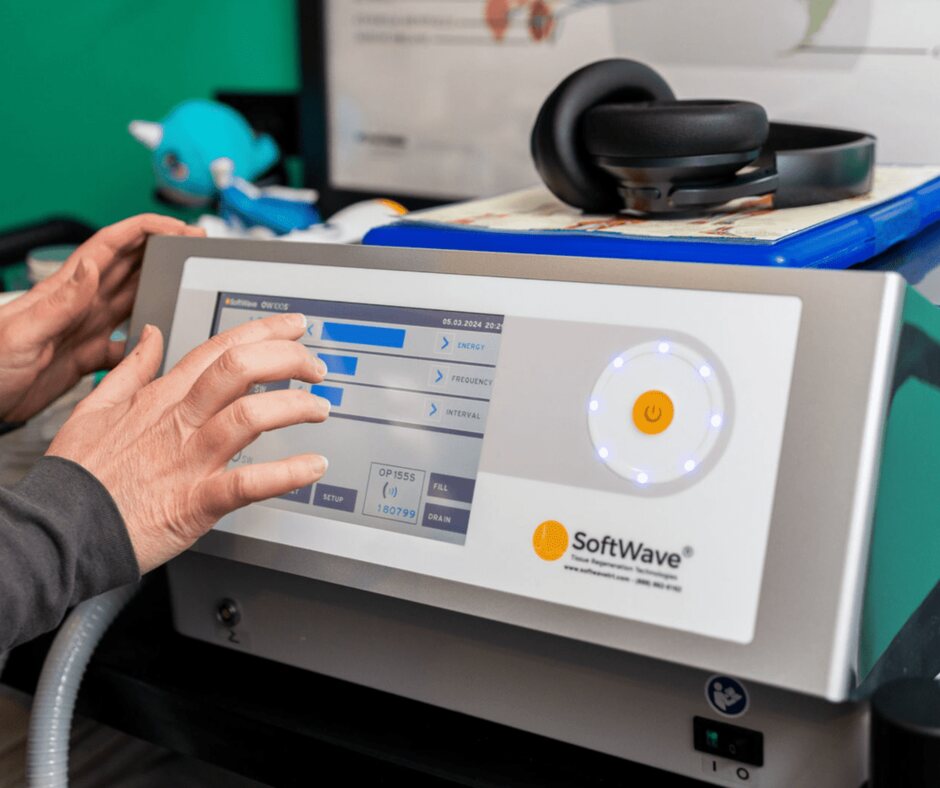
At Disc Center of America Port St. Lucie, Dr. John Grassam helps patients understand where non-surgical options fit into their care. One of the tools available in the clinic is SoftWave Tissue Regeneration Technology (TRT), a non-invasive therapy designed to support the body's own healing response. This article walks through how to think about the surgery question, when a non-surgical option may be appropriate first, and how SoftWave works.
Why "Conservative First" Is a Common Approach
Surgery is sometimes the right and necessary path. A fully torn ligament, a severe fracture, progressive nerve damage, or a joint that has structurally failed may genuinely require surgical repair. Nobody should delay care that is truly needed. At the same time, many common sources of pain are soft tissue and joint problems that do not always demand an operation right away.
For these cases, clinicians often follow a stepwise model: start with the least invasive options that carry the lowest risk, then escalate only if the response is not adequate. This is why rest, activity modification, physical therapy, and other conservative measures are frequently tried before surgery is scheduled. The goal is to give the body a fair chance to recover while avoiding the costs, recovery time, and risks that come with any surgical procedure.
Situations Where a Non-Surgical Trial Often Makes Sense
Every patient is different, and only a qualified provider can evaluate your imaging, history, and exam. That said, patients frequently ask about conservative care first in situations such as these:
- Chronic tendon pain, such as long-standing shoulder, elbow, or Achilles discomfort
- Nagging knee or hip pain that has not responded to rest alone
- Plantar fasciitis and other stubborn foot pain
- Muscle and joint pain that limits activity but is not tied to an unstable or fully ruptured structure
- Pain where a patient wants to exhaust lower-risk options before committing to surgery
When surgery is elective rather than urgent, there is often time to try a non-invasive approach and reassess. This is a conversation to have directly with your provider.
When Surgery Should Not Wait
Being responsible about this topic means acknowledging the other side. Some warning signs point toward prompt medical or surgical evaluation, including significant loss of function, rapidly worsening weakness or numbness, signs of infection, or a serious acute injury. SoftWave and other conservative therapies are not substitutes for surgery when surgery is medically indicated. The right decision is always made with a qualified provider who knows your case, not from a blog article.
Where SoftWave Fits Into the Picture
SoftWave TRT is a form of shockwave therapy, but it is distinct from the radial, electromagnetic, and piezoelectric devices many people have encountered. SoftWave uses electrohydraulic, spark-generated acoustic waves delivered through a patented parabolic reflector. This design produces broad-focused waves, and SoftWave is the only broad-focused shockwave technology of its kind. The waves penetrate deep into tissue and are designed to trigger the body's natural healing cascade rather than simply masking discomfort.
Because it is non-invasive, SoftWave involves no needles, no drugs, no surgery, and no downtime. Sessions typically last about ten to fifteen minutes, and a course of care usually spans a series of visits over roughly six to eight weeks. Many patients also find that the healing response continues in the weeks and months after their last session, since the therapy works by stimulating biological repair over time.
How SoftWave Helps: The Science in Plain Language
SoftWave is designed to influence several of the body's own repair processes. In plain terms, it may help by:
- Activating resident stem cells and encouraging them to migrate to areas that need repair
- Promoting angiogenesis, the growth of new blood vessels, through signals such as VEGF and eNOS
- Supporting cell proliferation and collagen activity by way of PCNA and BMP
- Modulating inflammation so the body can move toward healing
- Regulating toll-like receptors involved in the repair response
- Helping clear out senescent cells that can slow recovery
SoftWave is FDA cleared for the activation of connective tissue, a temporary increase in blood flow, and the temporary relief of minor muscle and joint pain, among other uses. The technology has been studied at leading institutions and is used by clinicians who work with professional and collegiate athletes, which speaks to the interest in non-invasive recovery tools across sports medicine.
If you are weighing a surgery recommendation and want to understand whether a non-invasive step could be appropriate for your situation, the most productive move is a professional evaluation. Schedule a SoftWave consultation with Disc Center of America Port St. Lucie to talk through your options.
What to Expect if You Try SoftWave Before Surgery
Choosing a non-surgical trial is not about avoiding surgery at all costs. It is about giving lower-risk care a fair opportunity while keeping surgery on the table if it turns out to be needed. During an initial visit, Dr. Grassam reviews your history and goals and helps determine whether SoftWave is a reasonable fit for your case. If it is, you begin a series of short sessions and track your response over the weeks that follow.
There are no guarantees that any conservative therapy will let a person avoid surgery, and SoftWave is no exception. Some patients respond well and are glad they explored a non-invasive path first. Others may find they still need a surgical solution, and that information is valuable too. Either way, you and your provider make the decision together, based on how your body responds and what your diagnosis calls for.
Questions Worth Asking Your Provider
- Is my condition one that often improves with conservative care, or does it require surgery?
- Is there time to try a non-invasive option first without added risk?
- What would success look like, and how long should we give it?
- What are the signs that would mean it is time to reconsider surgery?
Ready to Take the Next Step?
If a surgery recommendation has you wondering whether a non-invasive option belongs in your plan, a conversation with our team is a smart first move for many Port St. Lucie patients. We will help you understand where SoftWave may fit and what your responsible next step should be.
Request your SoftWave Therapy new patient visit online today
Contact Disc Center of America Port St. Lucie
Disc Center of America Port St. Lucie
555 NW Lake Whitney Place, Ste. 105
Port St. Lucie, FL 34986
Phone: (772) 237-2080
Our Main Office Website: https://portstluciedisccenter.com/
‹ Back
Recent Posts
-

-
-
-

How SoftWave Therapy and Chiropractic Care Work Together
June 11, 2026
-

 555 NW Lake Whitney Place Ste. 105