

Blog
The Science of Angiogenesis: How SoftWave Boosts Blood Flow to Heal
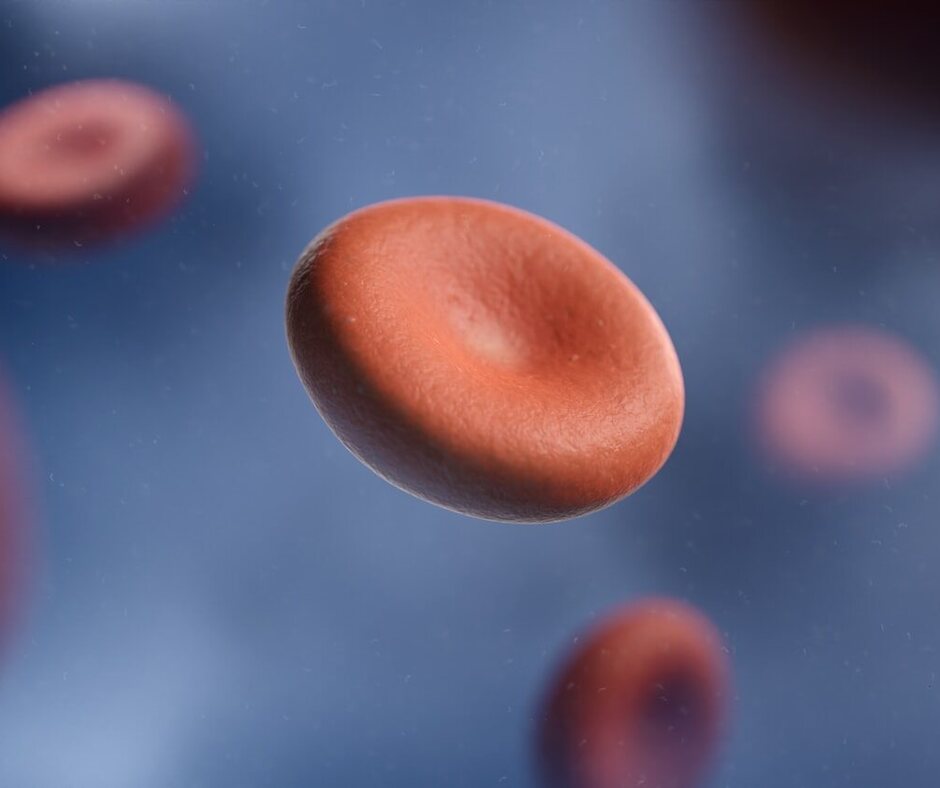
Why Blood Flow Is the Missing Piece in So Many Stubborn Injuries
If you have ever wondered why a nagging shoulder, knee, or lower back injury just will not heal, the answer often comes down to circulation. Tissues that do not receive a steady supply of oxygen-rich blood struggle to repair themselves, no matter how much rest you give them. Here in Port St. Lucie, many people live active lives, from golfers and pickleball players to gardeners and grandparents chasing after little ones. When a stubborn injury refuses to improve, poor local blood flow is frequently part of the story. At Disc Center of America Port St. Lucie, Dr. John Grassam uses SoftWave TRT to help address that very problem in a non-invasive way.
This article takes a plain-language look at angiogenesis, the medical term for the formation of new blood vessels, and explains how SoftWave therapy is designed to stimulate healthier circulation so your body can do what it does best: heal itself.
What Is Angiogenesis and Why Does It Matter?
Angiogenesis is the process your body uses to grow new blood vessels from existing ones. It happens naturally throughout life. It is how a healing wound builds a fresh network of capillaries, and it is how muscles adapt to exercise. When angiogenesis works well, injured tissue gets the delivery service it needs: oxygen, nutrients, immune cells, and the raw materials for rebuilding.
When circulation to an injured area is limited, the repair process slows down. Think of a road crew trying to rebuild a bridge, but the supply trucks can only get through one at a time. The work still happens, just far more slowly, and sometimes it stalls entirely. This is one reason chronic injuries can linger for months or even years. The tissue is not getting enough of what it needs to finish the job.
Healthy blood flow matters for several reasons:
- Oxygen delivery: Cells need oxygen to produce energy and carry out repair.
- Nutrient supply: Amino acids and other building blocks arrive through the bloodstream.
- Waste removal: Circulation carries away cellular debris and byproducts of inflammation.
- Immune access: Blood transports the immune cells that manage healing and clear damaged tissue.
How SoftWave TRT Is Designed to Support Circulation
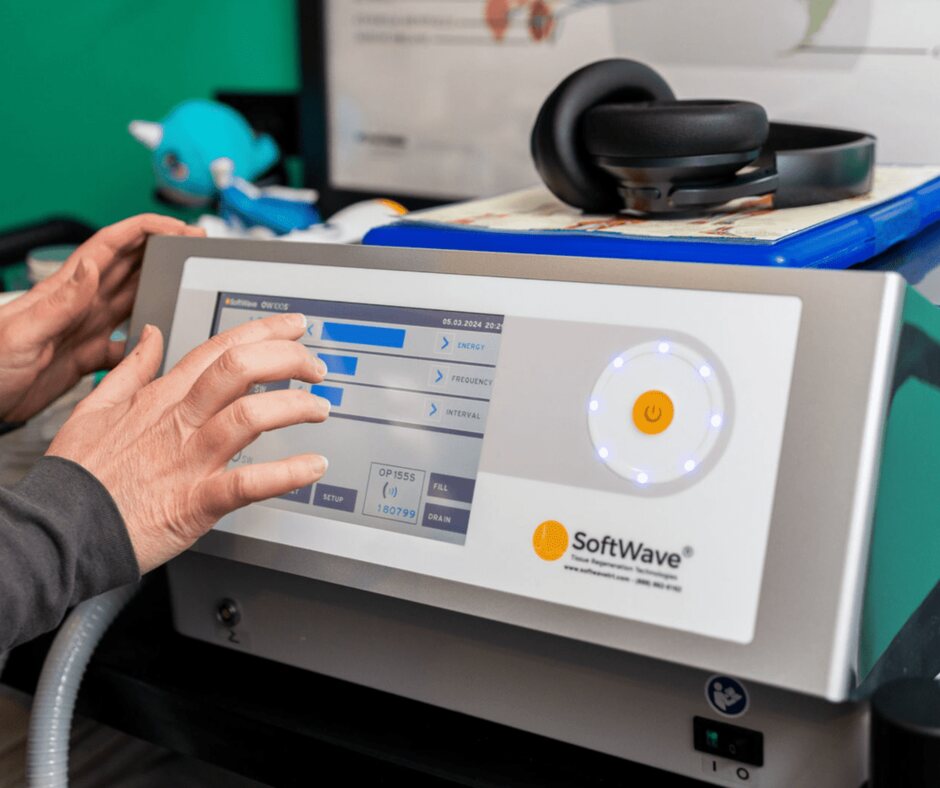
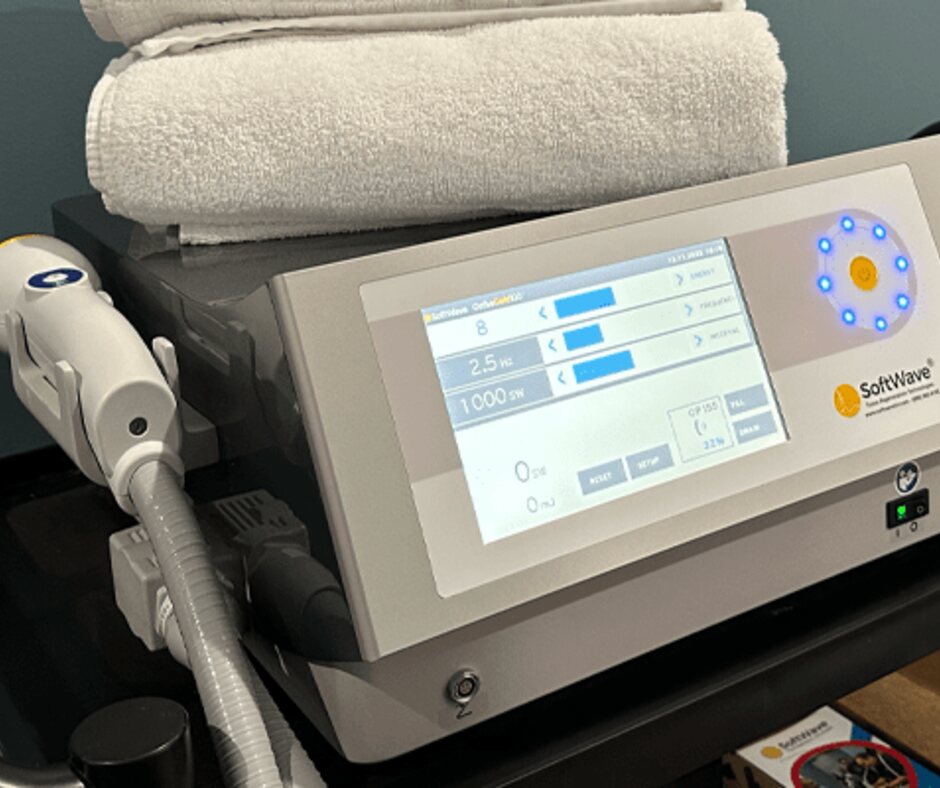
SoftWave TRT uses electrohydraulic, spark-generated acoustic waves that are broad-focused through a patented parabolic reflector. In simpler terms, a controlled spark creates an acoustic wave, and that wave is spread across a wide, deep zone of tissue rather than a narrow point. SoftWave is the only broad-focused shockwave technology of its kind, which sets it apart from radial, electromagnetic, and piezoelectric devices.
As these waves pass through the body, they create a mechanical signal that cells can sense and respond to. This is where the science gets interesting. Your cells are constantly listening for cues from their environment, and mechanical forces are one type of cue that can switch on repair-related activity. SoftWave is designed to deliver that cue deep into the tissue without needles, drugs, or surgery.
The Signals Behind New Blood Vessel Formation
Two of the key players in angiogenesis are VEGF and eNOS. These names sound technical, but the ideas behind them are straightforward.
- VEGF (vascular endothelial growth factor): This is a signaling protein that acts like a construction request for new blood vessels. When VEGF activity increases in an area, it encourages the growth of fresh capillaries.
- eNOS (endothelial nitric oxide synthase): This enzyme helps produce nitric oxide, a molecule that relaxes and widens blood vessels. Wider, more responsive vessels mean better local circulation.
SoftWave therapy is designed to stimulate these kinds of signals. By encouraging VEGF and eNOS activity, the goal is to promote new blood vessel formation and improve blood flow to the treated area. Better circulation means the injured tissue has a stronger supply line for the oxygen and nutrients it needs to repair.
Angiogenesis Is Part of a Bigger Healing Cascade
New blood vessels do not work alone. SoftWave is also designed to activate the body's broader healing response, which may include the activation and migration of resident stem cells, support for cell proliferation and collagen production, and modulation of inflammation. Angiogenesis and these other processes tend to work together. Fresh circulation supports the cells doing the rebuilding, and those cells in turn help remodel healthier tissue. It is a coordinated effort rather than a single event.
How SoftWave Helps at a Glance
Here is the plain-language summary of what SoftWave therapy is designed to do:
- Send a deep mechanical signal using broad-focused acoustic waves.
- Encourage angiogenesis by promoting signals like VEGF and eNOS.
- Improve local circulation so injured tissue receives more oxygen and nutrients.
- Support the body's natural healing cascade, including cellular repair and collagen activity.
- Do all of this non-invasively, with no needles, drugs, surgery, or downtime.
What the FDA Clearance Says About Blood Flow
It is important to be accurate here. SoftWave technology holds FDA clearance for several uses, and one of them is a temporary increase in blood flow. It is also cleared for the activation of connective tissue and for the temporary relief of minor muscle and joint pain. This clearance is meaningful because it speaks directly to the circulation topic we have been discussing. The device is recognized for its ability to temporarily boost blood flow in the treated region, which supports the healing environment your tissues rely on.
SoftWave is not a magic cure, and no responsible clinic would promise one. What it offers is a well-designed way to encourage the natural processes your body already uses to heal, including better local circulation.
If you are dealing with a stubborn injury in Port St. Lucie and you suspect poor circulation is holding back your recovery, SoftWave therapy may be worth exploring. Reach out to Disc Center of America Port St. Lucie to schedule your SoftWave consultation and learn whether it fits your situation.
What to Expect From a SoftWave Session
SoftWave sessions are designed to be simple and comfortable. Each treatment typically lasts about 10 to 15 minutes, and most people undergo a series of sessions over roughly six to eight weeks. Because the therapy is non-invasive, there is no downtime, so you can usually return to your day right afterward.
One point that surprises many patients is that healing does not stop when the sessions end. Because SoftWave works by stimulating your body's own repair processes, many patients report that improvements continue in the weeks and months after their final session as new blood vessels mature and tissue continues to remodel. Everyone is different, and results vary from person to person, which is why an in-person evaluation with Dr. Grassam is the best way to understand what is realistic for you.
Is SoftWave Right for You?
SoftWave has been studied at leading institutions and is used by clinicians who work with professional and collegiate athletes. That said, the only way to know whether it is a good fit for your specific condition is a proper evaluation. Dr. Grassam can review your history, examine the affected area, and help you decide on a plan. SoftWave therapy is not a replacement for medical advice, and it works best as part of a thoughtful, individualized approach to your health.
Ready to Take the Next Step?
Better circulation could be the key that finally moves your recovery forward. If a lingering injury has kept you sidelined, find out whether SoftWave therapy and its blood-flow-boosting design can help your body heal.
Request your SoftWave Therapy new patient visit online today
Contact Disc Center of America Port St. Lucie
Disc Center of America Port St. Lucie
555 NW Lake Whitney Place, Ste. 105
Port St. Lucie, FL 34986
Phone: (772) 237-2080
Our Main Office Website: https://portstluciedisccenter.com/
‹ Back
Recent Posts
-
-
-
-
How SoftWave Therapy and Chiropractic Care Work Together
June 11, 2026
-

 555 NW Lake Whitney Place Ste. 105